Mining operations across Africa face a wide range of safety challenges, including unstable pit walls, restricted blast zones, heavy-vehicle movements, flooding risks and hazardous infrastructure. Effective safety management depends on frequent monitoring, accurate documentation and the ability to identify hazards before they develop into serious incidents.
DJI enterprise drones provide mining safety teams with an aerial view of large and difficult-to-access areas. Drone-based monitoring can support pit-wall assessment, blast-area clearance checks, exclusion-zone surveillance and incident-scene documentation while reducing the need for personnel to enter hazardous locations.
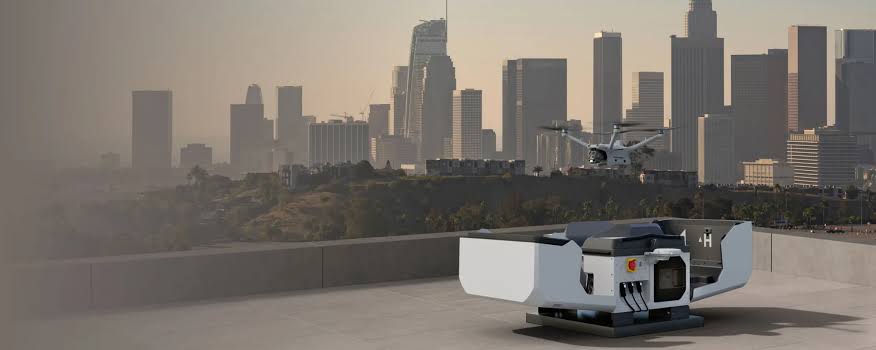
DJI Dock 3 can support scheduled photogrammetric surveys of open-pit walls and surrounding benches. The resulting georeferenced surface models can be compared over time to help identify face movement, tension-crack development, erosion and changes in bench geometry.
For open-pit mines operating in regions such as Ghana, Zambia and the Democratic Republic of the Congo, repeat drone surveys can give geotechnical teams a more consistent record of wall conditions. This information can support engineering review, exclusion-zone planning and operational decisions where potential movement or deformation is identified.
DJI FlightHub 2 can support mission planning, data management and the review of dated survey records. Drone-derived change-detection data should be used as part of a wider geotechnical monitoring programme alongside established survey instruments, engineering analysis and mine-safety procedures.
Before blasting, mining teams must confirm that personnel and equipment have cleared the defined exclusion zone. On large or complex sites, ground-based clearance checks can be affected by terrain, dust, limited visibility and communication delays.
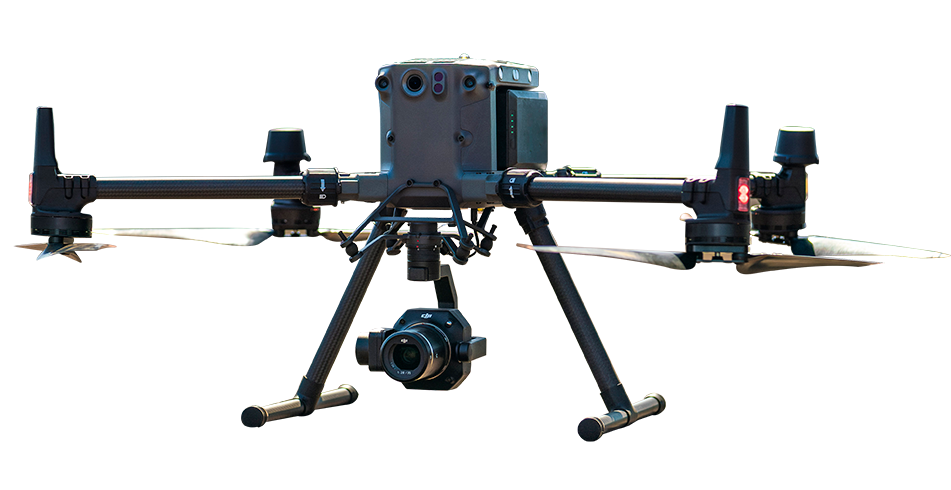
A thermal-equipped drone such as the DJI Matrice 30T can provide an additional aerial clearance check by helping operators identify heat signatures that may indicate personnel, vehicles or operating equipment within the surveyed area. Any detection can then be investigated before blast authorisation.
Drone-based thermal checks should supplement, not replace, established blast-clearance procedures. Detection performance can be affected by distance, terrain, obstructions, environmental temperature, atmospheric conditions and sensor limitations.
Mining operations may establish exclusion zones around active blast areas, unstable pit walls, hazardous infrastructure and restricted operating zones. DJI Dock 3 can support scheduled aerial patrols of these areas, while visual and thermal imagery can help safety teams review possible unauthorised entry or changing site conditions.
Where configured within an approved operational workflow, alerts and mission data can be reviewed through DJI FlightHub 2. Final response decisions should remain with trained mine-safety personnel and should follow the site's established safety and escalation procedures.
After a mining incident, the scene may need to be documented before investigation, recovery or remediation activities alter the evidence. A DJI Matrice 4E can support rapid aerial image capture and photogrammetric reconstruction of the affected area.
The resulting orthomosaic or 3D model can provide a dated record of equipment positions, terrain geometry, debris distribution and surrounding site conditions. This information can support internal investigations, engineering review, regulatory reporting and future safety planning.
DJI enterprise drones can support pit-wall monitoring, blast-area clearance checks, exclusion-zone surveillance and incident-scene documentation across large mining sites. Aerial data gives safety teams a wider and more consistent view of active areas while reducing the need for personnel to enter hazardous zones.
Yes. A thermal-equipped platform such as the DJI Matrice 30T can help identify heat signatures that may indicate the presence of personnel within a surveyed blast exclusion zone. This provides an additional clearance check before blast authorisation. Thermal detection should still be used alongside established mine-safety procedures, as performance can be affected by terrain, obstructions, distance, temperature and atmospheric conditions.
DJI Dock 3 can support scheduled photogrammetric surveys of pit walls and surrounding benches. The resulting georeferenced surface models can be compared with earlier surveys to help identify face movement, tension-crack development, erosion and changes in bench geometry. Geotechnical teams can use this data as part of a wider slope-monitoring and risk-assessment programme.

Fill in your details below and our team will get back to you
with a personalised quote.