Heavy Payloads. Long Distances.
Heavy payload capacity and long flight distance are the two specifications that determine whether an aerial delivery platform is operationally useful or operationally marginal. The DJI FlyCart 30 was engineered to be genuinely useful, carrying loads that matter across distances that make a difference, at speeds that compete with ground alternatives on the routes where ground alternatives are slowest.
30 kg Maximum Payload – Dual Battery Mode: Thirty kilograms of payload capacity positions the FlyCart 30 in a class of its own among commercial delivery drones available at this scale. Medical supplies for a remote clinic, spare parts for an offshore platform, emergency provisions for an isolated community, and agricultural inputs for a farm without road access—these are not light loads. The FlyCart 30 carries them. In dual battery mode, the full 30 kg payload is available across the complete operational envelope, with the dual battery system providing the power headroom and redundancy that heavy-lift operations demand.
40 kg Maximum Payload – Single Battery Mode: When weight at the delivery point outweighs the priority for maximum range, single battery mode extends the payload capacity to 40 kg, accommodating even heavier cargo loads on shorter routes where battery redundancy is less critical than raw lifting capability.
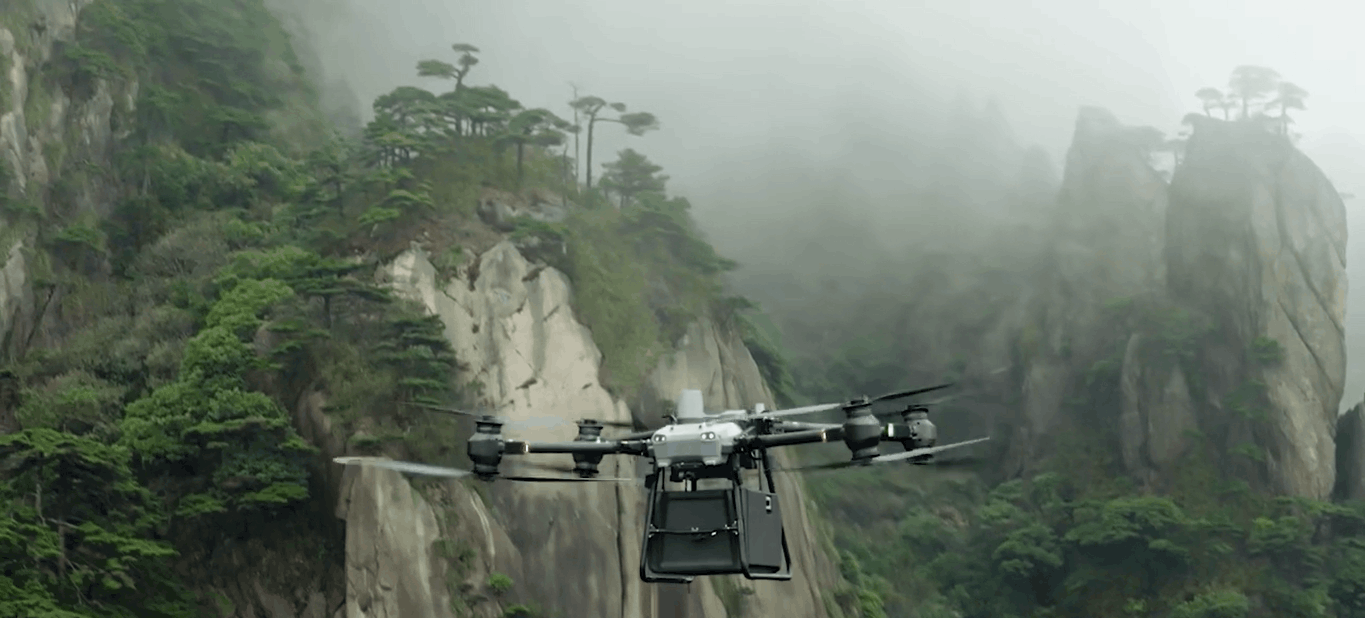
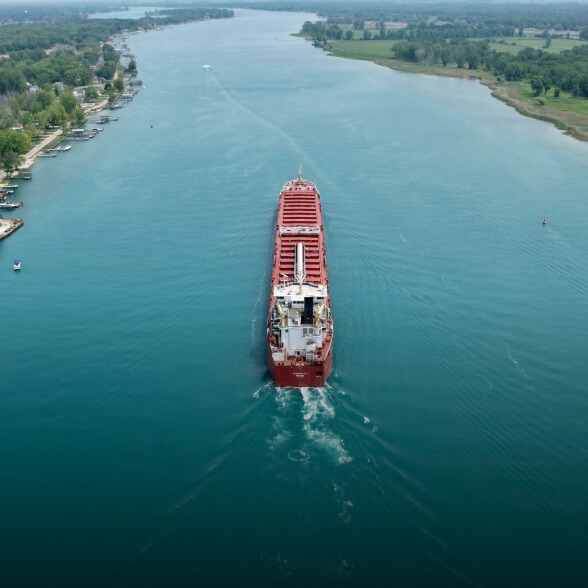
16 km Flight Distance with Full Payload: Sixteen kilometres of range with a 30 kg payload loaded is an operationally significant figure. It covers the last-mile delivery problem across islands, rivers, mountain terrain, flooded plains, and restricted access zones where the final leg of a logistics chain is currently the most expensive, slowest, and least reliable part of the entire delivery sequence. At full payload, 16 km of delivery range is enough to span most harbour-to-vessel distances, river-crossing logistics challenges, and remote community access gaps that ground-based vehicles cannot bridge.
28 km Flight Distance Without Payload: The 28 km empty range covers the return leg after delivery, relay positioning flights, and reconnaissance passes over delivery routes before committing to a loaded mission, ensuring that the operational planning envelope covers the full round-trip requirement rather than just the outbound delivery leg.
20 m/s Maximum Speed: At 20 m/s, the FlyCart 30 covers its 16 km delivery range in under 15 minutes with a full payload, comparable to or faster than road vehicle delivery on routes affected by traffic, terrain, or access restrictions. Speed combined with capacity and range is what makes aerial delivery commercially competitive on the right routes, and the FlyCart 30's speed specification ensures it competes on all three dimensions simultaneously.
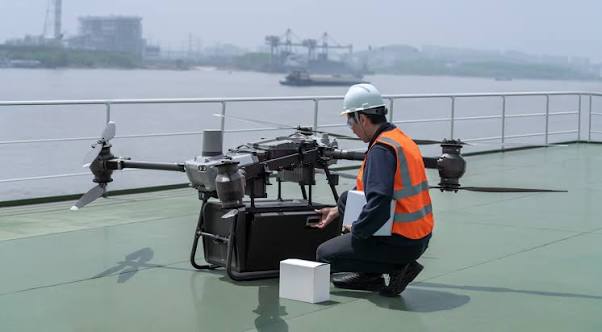
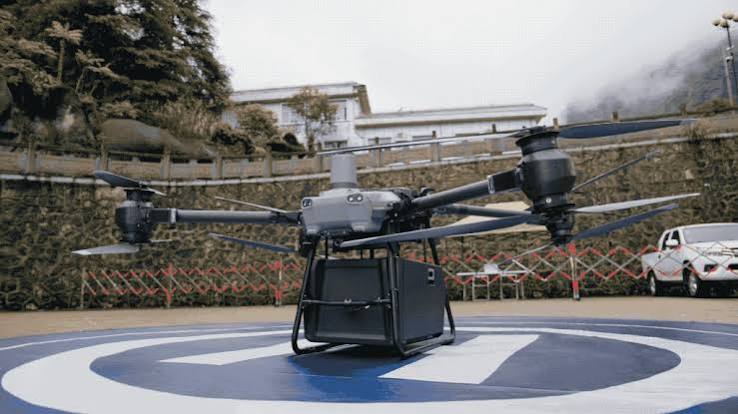
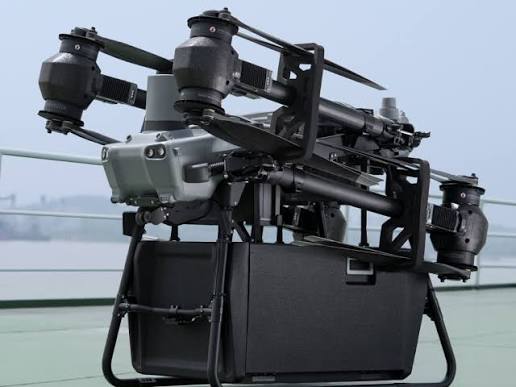
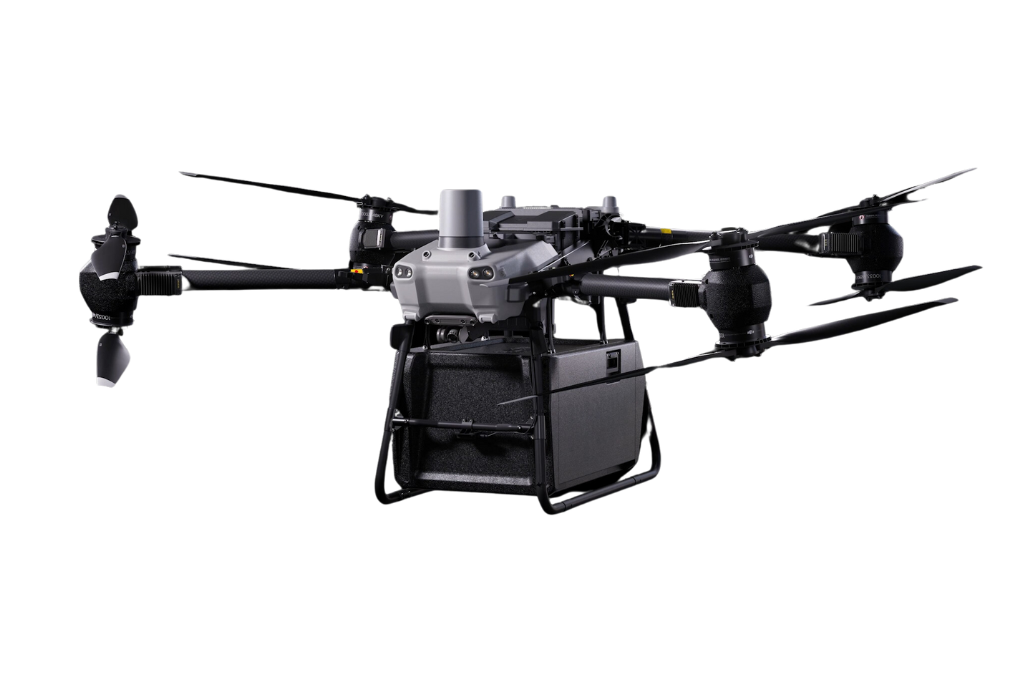
Cargo Mode Cargo mode transports goods secured within the FlyCart 30's dedicated 70 L EPP case a purpose-designed, weather-resistant cargo container that mounts directly to the aircraft without modification and carries loads up to the platform's maximum payload rating. The aircraft flies to the designated delivery point, lands, and the recipient collects the cargo directly from the case.
Cargo mode is the right configuration for delivery points where landing is possible open areas, prepared pads, rooftop helipads, and any accessible flat surface large enough for the FlyCart 30 to touchdown and release cargo safely. The direct landing approach maximises delivery precision and eliminates the mechanical complexity of mid-air cargo release.
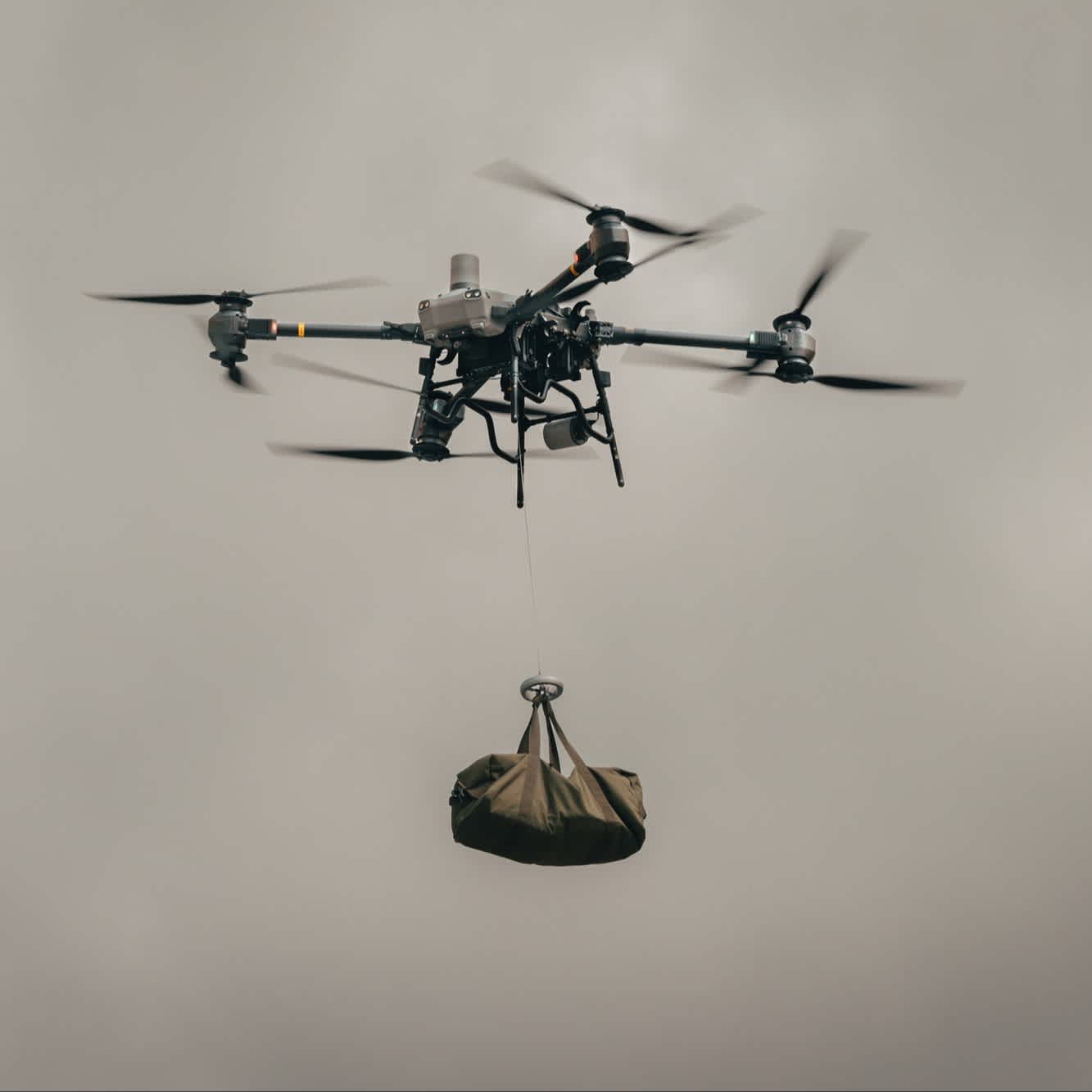
Winch Mode Winch mode enables precision cargo delivery to locations where the aircraft itself cannot safely land the operational scenario that ground-based logistics confronts as an absolute barrier and that cargo mode delivery cannot address. The FlyCart 30 hovers at altitude while the winch system lowers the cargo to the delivery point, releases it, and retracts the aircraft never contacts the landing surface, and the delivery is completed with the precision that the winch positioning system provides.
Winch mode delivery points include vessel decks during sea state conditions where landing is unsafe, rooftop locations without clear landing zones, suspended infrastructure platforms, isolated cliff-edge locations, and anywhere that the delivery environment prevents direct aircraft landing while the horizontal delivery point is clearly accessible. The winch system makes these delivery points reachable in the same operation that carries the cargo no secondary equipment, no specialist rigging team, and no requirement to clear and prepare a landing zone before delivery proceeds.