
Aerosmart Academy exists because buying an enterprise drone and being able to operate it profitably are separate achievements. Across the African markets Aerosmart serves, the constraint on programme success is rarely equipment availability. It is the gap between the aircraft arriving and the team being able to produce a survey deliverable, complete an inspection to a defensible standard, or perform an agricultural application at the accuracy required by the agronomy.
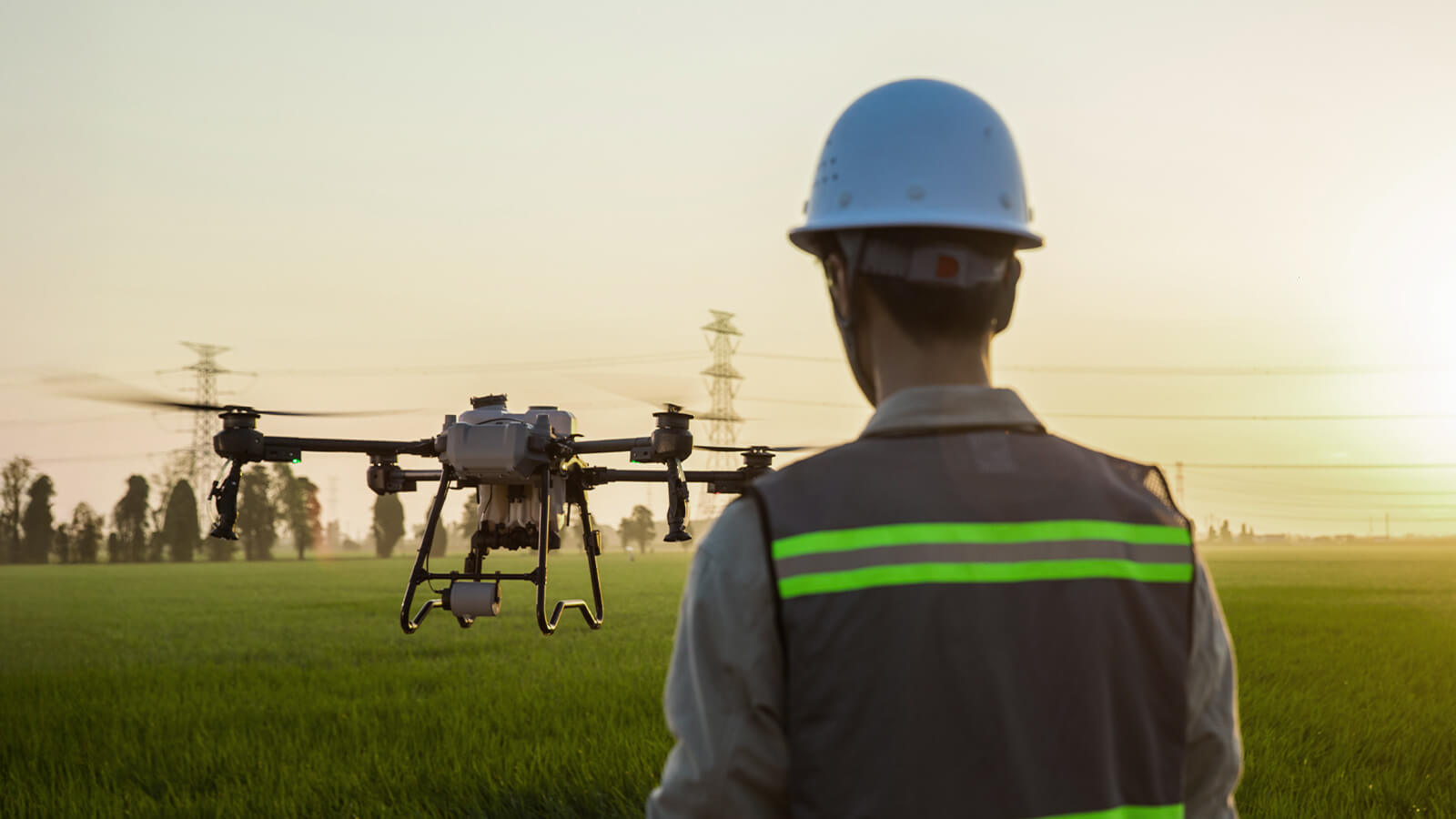
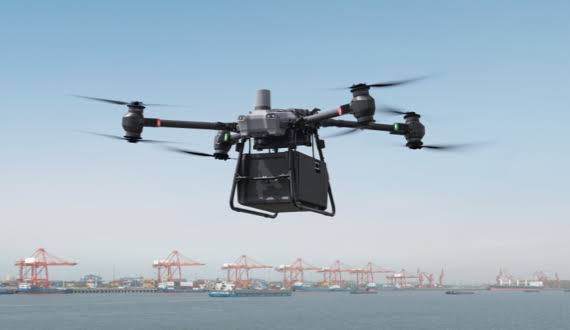
The Academy closes that gap. Training is delivered on the DJI Enterprise platforms clients actually deploy, including the Matrice 400, Matrice 350 RTK, Matrice 30T, DJI Dock 3, and the complete DJI Agras range. Consumer aircraft are not used as substitutes for enterprise equipment, and practical learning is not limited to simulator sessions that cannot reproduce the wind, dust, heat, and terrain conditions encountered in real operations.
Every course is structured around the regulatory framework of the country in which the operator will fly. Kenya's KCAA requirements differ from Nigeria's NCAA framework, Ghana's GCAA requirements, Rwanda's RCA framework, Tanzania's TCAA requirements, and Uganda's UCAA requirements. Aerosmart Academy prepares operators for the certification pathway required by their national aviation authority rather than delivering a generic curriculum that leaves compliance unresolved.
Aerosmart Academy operates from Nairobi, with in-person delivery available across African markets and remote instruction available continent-wide in English, French, and Arabic.
Delivery formats, certification pathways, and platform access at a glance.
| Specification | Detail |
|---|---|
| Training Base | Nairobi, Kenya |
| Delivery Formats | In-person at the Academy · On-site at the client facility · Remote |
| Languages | English · French · Arabic |
| Regulatory Coverage | KCAA · NCAA · GCAA · RCA · TCAA · UCAA · DCAZ · ECAA |
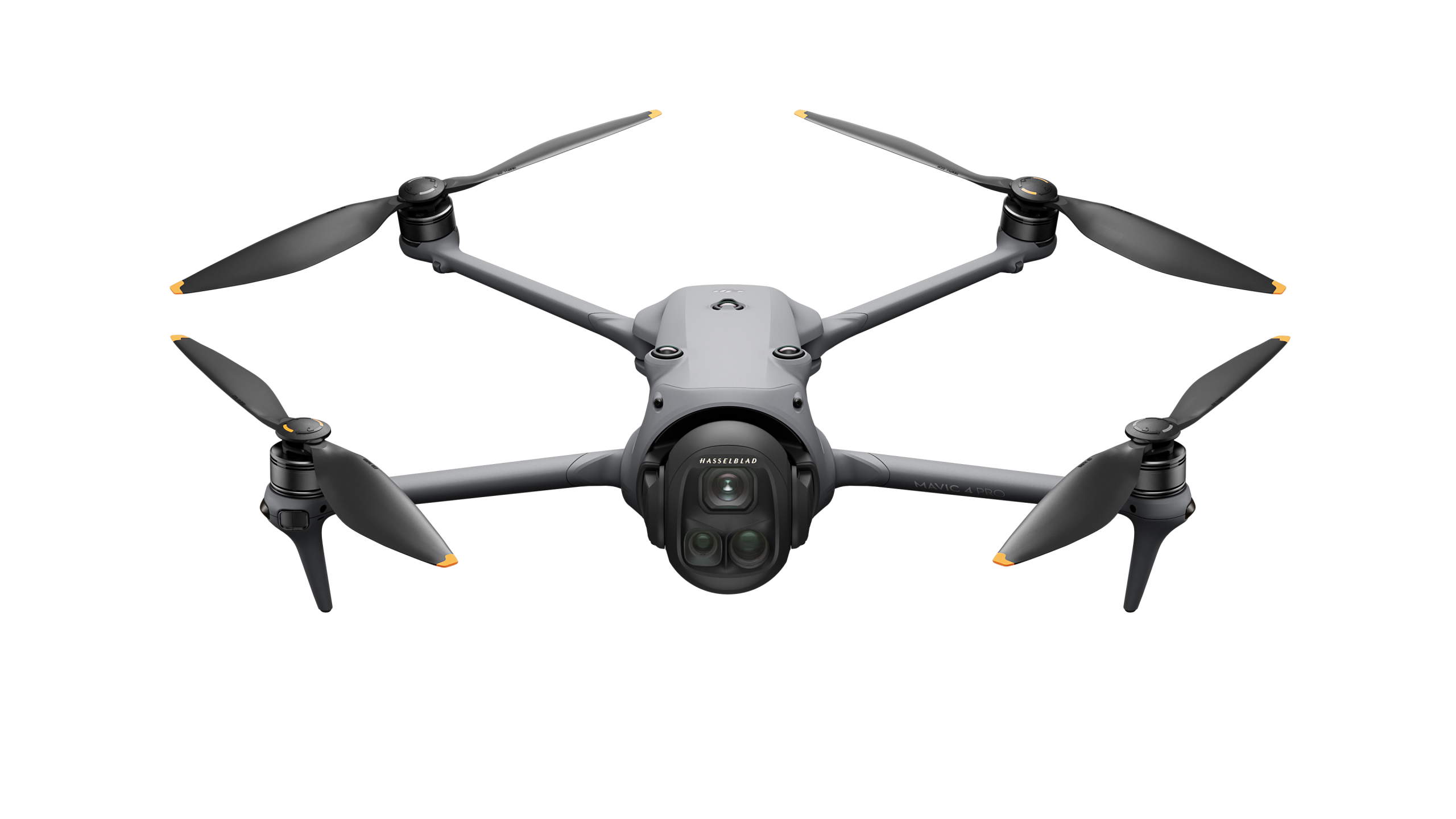
| Training Platforms | Matrice 400 · Matrice 350 RTK · Matrice 30T · Matrice 4 Series |
| Agriculture Platforms | Agras T100 · Agras T50 · Agras T25 |
| Autonomous Systems | DJI Dock 3 · DJI Dock 2 |
| Payload Training | Zenmuse H30 · L2 · L3 · P1 · S1 · V1 |
| Software Training | DJI Pilot 2 · DJI FlightHub 2 · DJI Terra · DJI Modify · PIX4D |
| Group Size | Small cohorts for maximum practical flight time |
| Certification | Aerosmart Academy certificate · DJI platform competency |
| Post-Training Support | Ongoing technical access for graduates |
| Corporate Programmes | Custom curriculum · Client-site delivery · Fleet-scale training |
| Countries Served | 14+ African markets |
One of the most common weaknesses in drone training is a mismatch between the training platform and the operational platform. A trainee who completes certification on a lightweight consumer aircraft and then takes delivery of a Matrice 400 with a Zenmuse L3 payload has not been prepared for the aircraft and mission system they are now responsible for.
Aerosmart Academy trains clients on the enterprise platforms they deploy. A survey team purchasing a Matrice 350 RTK with Zenmuse P1 trains on that configuration. An agricultural cooperative acquiring an Agras T50 trains on the T50 with the spray system loaded and calibrated. A mining organisation deploying DJI Dock 3 trains on scheduling, Virtual Cockpit operations, and DJI FlightHub 2 fleet management using the same infrastructure it will operate.
Practical flight time is the measure that matters. Small cohort sizes ensure every trainee receives genuine hands-on operating time rather than watching an instructor demonstrate from the front of a large group.
Enterprise platforms are substantially more capable and complex than the aircraft on which many pilots first learn. This programme covers platform setup, payload mounting and configuration, DJI Pilot 2 mission planning, intelligent flight-mode operation, multi-payload deployment, enterprise-specific emergency procedures, battery management, and maintenance planning.
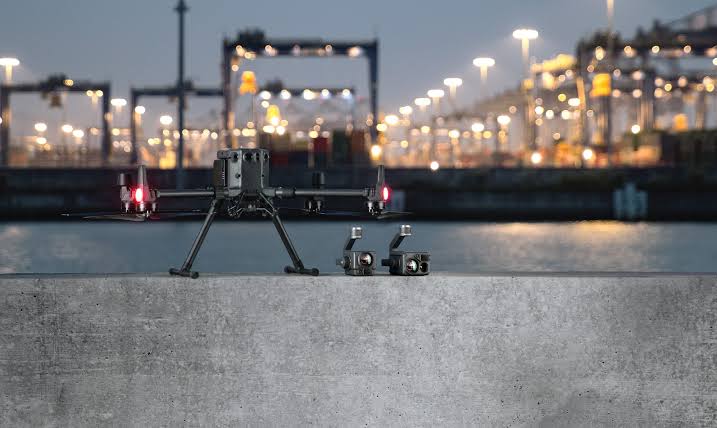
Trainees work on the platform their organisation will deploy. A powerline inspection team may train on the Matrice 400 with Zenmuse H30T. A survey team may train on the Matrice 350 RTK with Zenmuse P1 or L2. A public-safety unit may train on the Matrice 30T and its integrated sensor suite.
Outcome: Full operational competency on the deployed enterprise platform · Payload-configuration proficiency · Mission-planning capability · Emergency-procedure readiness
This programme covers the complete survey workflow from mission planning and field collection through processing and final deliverable production. Topics include photogrammetric principles, accuracy and overlap planning, D-RTK 2 and D-RTK 3 base-station deployment, ground-control-point placement where required, DJI Terra processing, and configuration for national coordinate reference systems.
The practical field exercise produces a real orthophoto, digital surface model, and 3D model. Trainees process the deliverables themselves using data collected during the course.
Outcome: Complete survey-workflow capability · RTK deployment competency · DJI Terra processing proficiency · Coordinate-system configuration for national frameworks
Specialist LiDAR training covers Zenmuse L2 and L3 operation, flight parameter selection for point-density requirements, D-RTK 3 pairing for maximum L3 accuracy, DJI Terra LiDAR processing, ground-point classification, DEM and contour generation, and quality-report interpretation.
The programme covers configurations commonly required for African LiDAR work, including mining volumetrics, forestry canopy penetration for biomass assessment, and powerline-corridor scanning for vegetation-clearance analysis.
Outcome: LiDAR mission planning and execution · DJI Terra LiDAR processing · Classification and DEM production · Accuracy verification and reporting
This programme covers site selection, installation requirements, DJI FlightHub 2 integration, mission scheduling, Virtual Cockpit remote control, smart-detection configuration, environment-gated operation management, connectivity planning for African mobile network conditions, and maintenance procedures.
Trainees plan, schedule, and execute live Dock missions, including remote launch, mission supervision, recovery, and post-flight data management through DJI FlightHub 2.
Outcome: Dock installation planning · FlightHub 2 fleet-management competency · Autonomous mission scheduling · Remote-operations capability
Application-focused inspection training covers powerline and substation inspection, oil and gas facility and pipeline inspection, solar PV thermal surveys, and structural inspection of bridges and infrastructure.
Topics include thermal-camera operation, radiometric measurement, anomaly identification and classification, zoom-camera close-range techniques, laser-rangefinder defect geolocation, inspection mission planning from 3D models, and client-ready report production.
Outcome: Sector-specific inspection technique · Thermal-anomaly identification · Defect documentation and reporting · Client-ready deliverable production
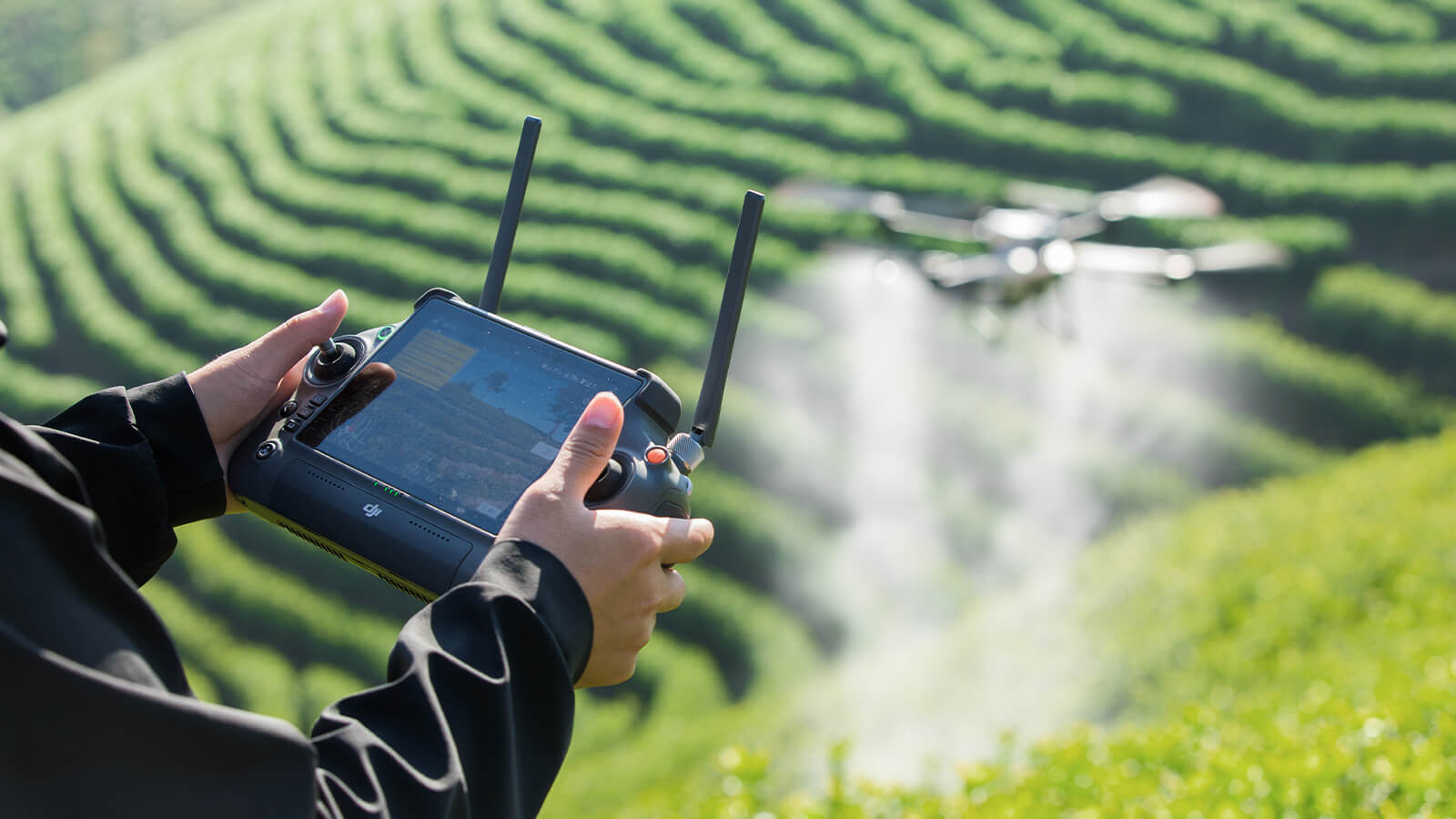
This programme covers agricultural drone setup for spraying and spreading, spray-system calibration, flow-rate verification, AB route and area-mission planning, orchard-mode configuration, terrain following, variable-rate application from prescription maps, spreading-system calibration, chemical-handling safety, and post-operation maintenance.
Practical sessions include real spraying operations. Trainees operate the Agras platform in field and orchard configurations, calibrate the spray system, and complete an application mission from planning to completion.
Outcome: Agras operational competency · Spray-system calibration capability · Field and orchard mission planning · Prescription-map execution · Maintenance procedures
This programme covers DJI Mavic 3 Multispectral survey planning, DJI Terra NDVI and NDRE processing, radiometric correction for multi-visit comparability, prescription-map generation, and transfer of prescription data to the Agras platform for variable-rate execution.
The programme connects crop-health observation with targeted application, providing the complete workflow required by commercial farms, agronomy service providers, and cooperative spraying operations.
Outcome: Multispectral-survey capability · NDVI and NDRE processing · Prescription-map generation · Complete data-to-application workflow
Advanced processing training covers DJI Terra workflows including PPK processing, 3D Gaussian Splatting reconstruction, real-time mapping, quality-report interpretation, and coordinate-system transformation. DJI Modify training includes vehicle removal, texture repair, mesh simplification, and final deliverable preparation.
Trainees process real project datasets and produce finished, client-ready deliverables during the workshop.
Outcome: Advanced DJI Terra processing · DJI Modify editing proficiency · Client-deliverable production · Quality-verification competency
This programme is designed for security teams operating counter-UAS detection systems. It covers PC2 Pro passive RF, PL1-B portable deployment, FPC1 fixed installation, VDC2 Pro video detection, and FS1 GNSS spoofing detection.
Training includes detection interpretation, threat characterisation, alert-response procedure development, multi-layer system operation, evidence handling, and security-operations-centre integration.
Outcome: Detection-system operation · Threat-assessment capability · Response-procedure execution · Evidence-documentation standards
Custom programmes are designed for organisations requiring training built around a specific platform configuration, operational programme, regulatory jurisdiction, and team structure. Training can be delivered at mines, agricultural estates, utility facilities, government installations, conservation areas, and other operational sites.
Instructors travel with the required training equipment. Programmes are scoped around the organisation's actual deployment rather than a generic syllabus.
Outcome: Team-wide operational readiness · Organisation-specific procedure development · Fleet-scale capability building
At the Academy — Nairobi
Classroom instruction and practical flight sessions are delivered
through Aerosmart Academy's Nairobi base, with outdoor flight training
conducted at designated training locations. This is the standard
delivery format for individual enrolments and small groups.
On-Site at Your Facility
Instructors and training equipment travel to the client's operational
location across supported African markets. Training takes place in the
actual environment, terrain, and operating conditions in which the
team will work.
Remote Instruction
Software training, mission planning, data processing, regulatory
content, and theory modules can be delivered remotely. Practical
flight modules require in-person delivery, but theoretical and
software components can be completed before an abbreviated on-site
practical session.
Drone regulation across Africa is not uniform. Each national aviation authority operates its own certification framework, registration requirements, airspace classifications, and operational restrictions. A generic curriculum may leave trainees unprepared for the actual jurisdiction in which they will operate.
Aerosmart Academy structures certification programmes around the specific requirements of the trainee's operating jurisdiction.
| Country | Authority | Coverage |
|---|---|---|
| Kenya | KCAA | Full certification-pathway coverage |
| Nigeria | NCAA | Full certification-pathway coverage |
| Ghana | GCAA | Full certification-pathway coverage |
| Rwanda | RCA | Full certification-pathway coverage |
| Tanzania | TCAA | Full certification-pathway coverage |
| Uganda | UCAA | Full certification-pathway coverage |
| Zambia | DCAZ | Full certification-pathway coverage |
| Ethiopia | ECAA | Full certification-pathway coverage |
| Additional Markets | Various | Country-specific regulatory brief provided |
Every trainee receives a written regulatory brief for the operating country, covering operator certification, equipment registration, airspace classification, operational restrictions, and the current enforcement environment.
01 Enterprise Platform Access
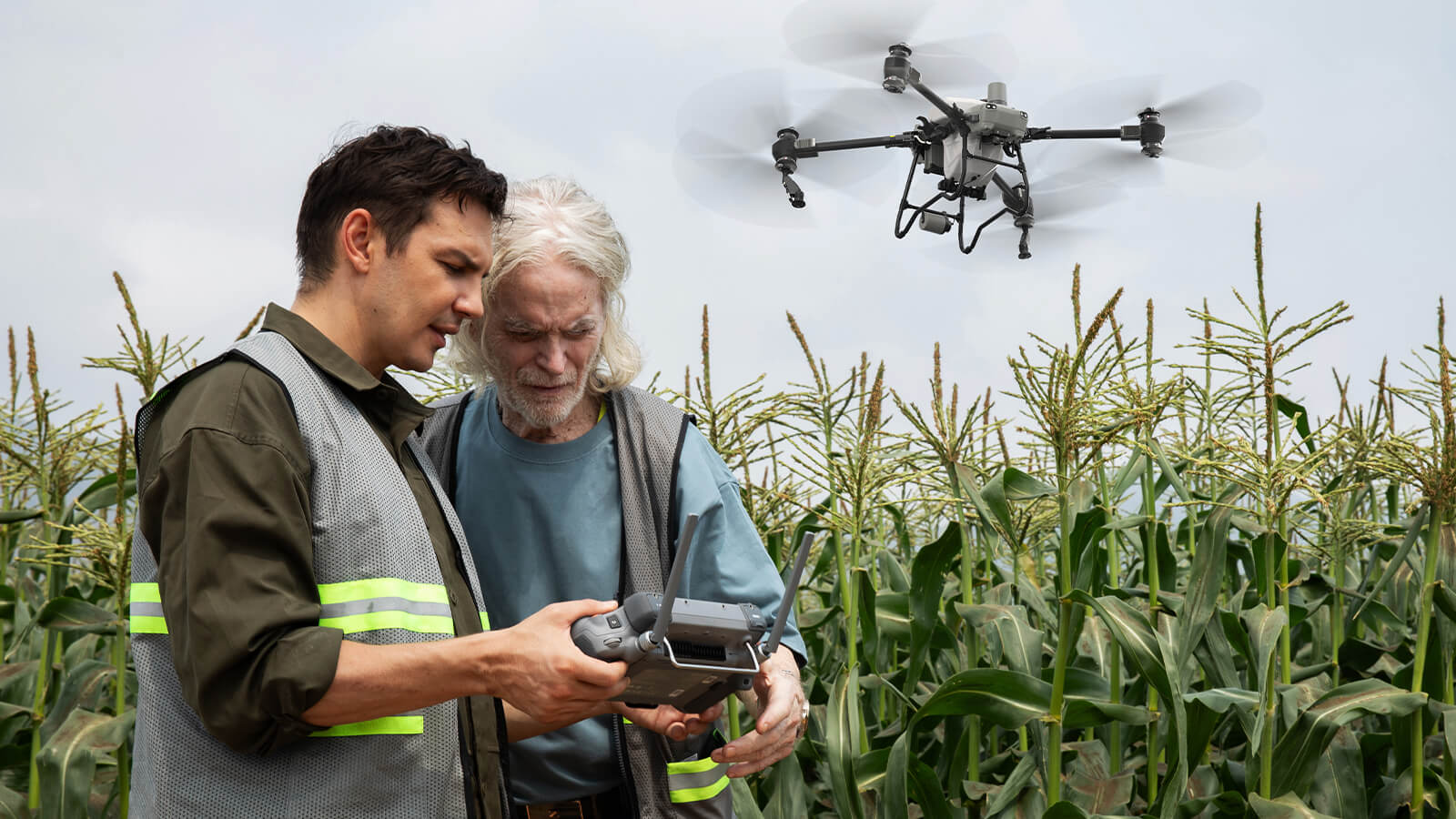
Training is delivered using genuine DJI Enterprise aircraft and
payloads, including the Matrice 400, Matrice 350 RTK, Matrice 30T,
DJI Dock 3, and the complete DJI Agras range.
02 Country-Specific Regulatory Structure
Every certification programme is structured around the trainee's
national aviation authority requirements, including KCAA, NCAA,
GCAA, RCA, TCAA, UCAA, DCAZ, and ECAA.
03 Three-Language Delivery
Training is available in English, French, and Arabic, supporting
Anglophone, Francophone, and Arabic-speaking African markets.
04 On-Site Delivery Across 14+ Countries
Instructors and equipment can travel directly to the client's
operational location so training takes place in the environment and
terrain where the team will work.
05 Operationally Experienced Instructors
Trainers bring commercial deployment experience across mining
surveys, powerline inspection, agriculture, public safety, and
autonomous operations.
06 Small Cohorts, Maximum Flight Time
Cohort sizes are kept small so every participant receives genuine
hands-on flight time.
07 Ongoing Post-Training Support
Graduates retain access to the Aerosmart technical support team for
operational questions arising after training.
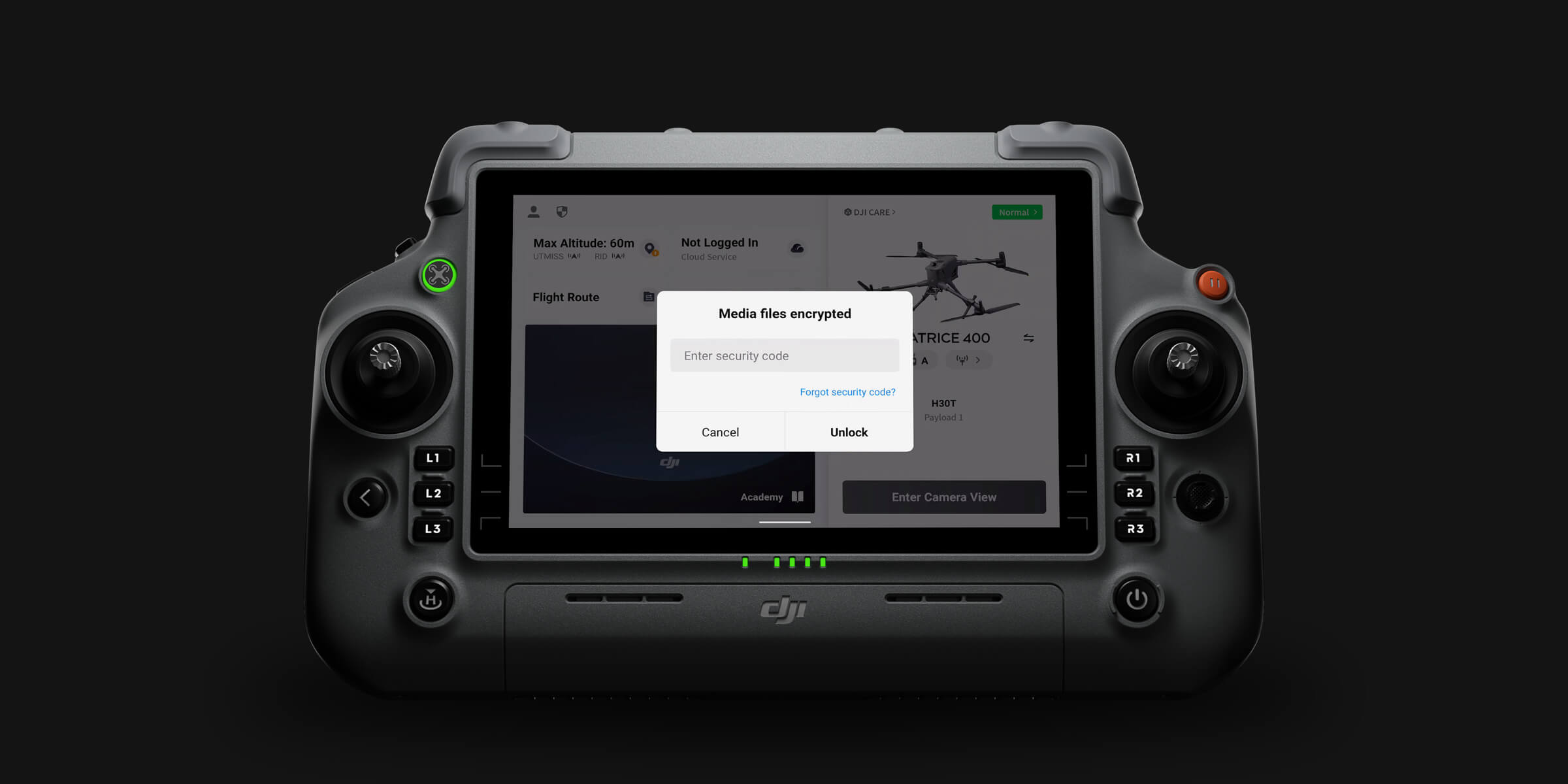
Training exercises frequently involve client operational sites, and data collected during practical sessions may carry commercial or security sensitivity. Aerosmart Academy handles training-generated data under the controls used for commercial project work, including local processing, controlled retention, and secure deletion after programme completion where required.
For government agencies and security-sector training, on-site delivery helps ensure that training data remains within the client's controlled environment and does not leave the site.
Aerosmart Academy operates from Nairobi, Kenya. In-person training is delivered at the Academy and on-site at client facilities across 14+ African markets. Remote instruction is also available continent-wide.
Certification requirements vary by country. Kenya operates under KCAA, Nigeria under NCAA, Ghana under GCAA, Rwanda under RCA, Tanzania under TCAA, Uganda under UCAA, Zambia under DCAZ, and Ethiopia under ECAA. The programme is structured around the trainee's operating jurisdiction.
Courses include Commercial RPAS Pilot Certification, DJI Enterprise Platform Operations, Drone Survey and Mapping, LiDAR Processing, DJI Dock 3 Operations, Industrial Inspection, DJI Agras Operations, Precision Agriculture, DJI Terra and DJI Modify Processing, Counter-UAS Operations, and custom corporate programmes.
Yes. Training is available in English, French, and Arabic.
Yes. On-site delivery is available at client facilities across the African markets served by Aerosmart. Instructors travel with the required equipment and deliver training in the client's actual operating environment.
Training is conducted on genuine DJI Enterprise platforms, including the Matrice 400, Matrice 350 RTK, Matrice 30T, Matrice 4 Series, DJI Dock 3, DJI Dock 2, and Agras platforms.
The Commercial RPAS Pilot Certification programme takes four days. Advanced and specialist courses typically take two to three days. A complete pathway may take approximately one week.
Yes. Graduates retain access to the technical support team for operational questions arising after training, including assistance during early project deployments.
Pricing varies according to the programme, group size, location, and delivery format. Contact sales@aerosmartglobal.com for current pricing and corporate quotations.

Fill in your details below and our team will get back to you with a personalised quote.