Roofs are the building envelope component most exposed to Africa's harsh climate conditions—the intense solar radiation that degrades roofing membranes and coatings, the torrential rainfall events of tropical wet seasons that test every joint, penetration, and drainage point in the waterproofing system, the thermal cycling between day and night temperatures that fatigue roof fixings and panel systems, and the wind loads of coastal and highland African environments that challenge every roof edge and fastening. The condition of a roof determines whether the building it protects functions as intended, and a roof that is failing, whether through membrane degradation, drainage blockage, structural deflection, or insulation moisture ingress, affects every activity and asset inside the building.
Traditional roof inspection requires inspectors to access the roof surface physically—climbing permanently fixed or portable access equipment, walking the roof surface, and manually identifying the defects that are visible at walking height on the surface. For large industrial and commercial roofs—warehouse roofs covering tens of thousands of square metres, shopping centre roofs, factory buildings, and the large format structures of African port, mining, and processing facilities—physical access inspection is slow, involves working-at-height safety risk, and produces point-based observations that cannot systematically document every square metre of a large roof surface.
DJI drone roof inspection documents the complete roof surface in minutes through systematic aerial photography and thermal imaging that helps document visible defects, drainage obstructions, possible moisture-affected insulation zones and structural deflection patterns across the full roof area without any inspection personnel accessing the roof.
Commercial and industrial flat roofs across Africa's urban centres Nairobi's commercial districts, Lagos Island's commercial real estate, Accra's shopping centres, Kigali's growing commercial property sector require periodic condition surveys that document membrane condition, drainage system status, penetration seal integrity, parapet condition, and the accumulated dirt and debris patterns that indicate drainage flow problems.
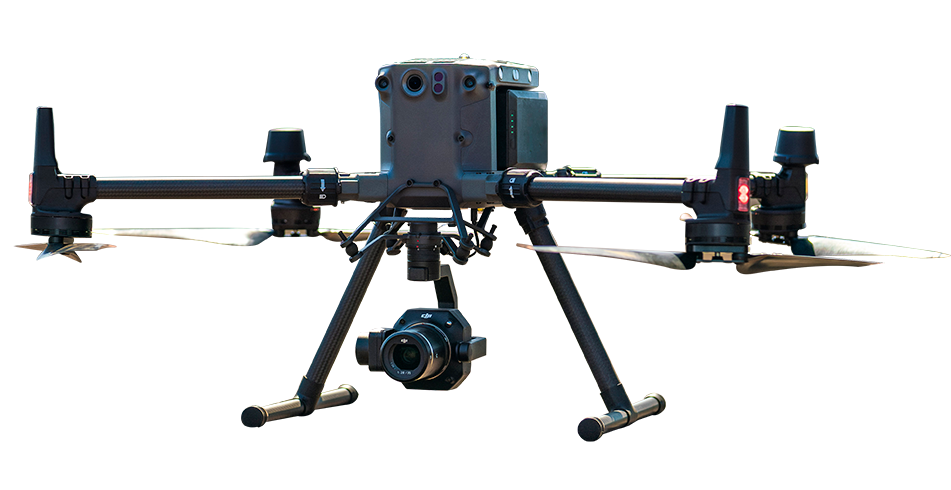
The DJI Matrice 30T's integrated zoom camera, operated in a systematic grid pattern at 20 to 30 metres above the roof surface, photographs every square metre of a large flat roof in a single 20 to 30-minute flight. The zoom camera resolves membrane surface cracking, blister development, seam lifting, and drainage point blockage at the detail level that formal roof condition grading requires. The thermal camera simultaneously identifies the moisture-saturated insulation zones beneath the surface membrane. Water that has entered through membrane failures is invisible to visual inspection but may appear as a thermal anomaly at the substrate level.
For large industrial roof structures—mine processing plant roofs, port warehouse structures, manufacturing facility roofs, and the large-span industrial buildings that Africa's extractive and manufacturing sectors operate across the continent—the Matrice 400 with Zenmuse H30T provides the inspection capability for structures where the scale and complexity exceed the Matrice 30T's practical coverage capacity.
With a maximum flight time of up to 59 minutes under suitable conditions, the Matrice 400 can support efficient coverage of large industrial roof areas. Actual coverage depends on payload, wind, flight profile, safety margins and local operating conditions. The H30T's 34× optical zoom resolves profiled sheet roofing panel fastener conditions, flashings at wall and ridge junctions, skylight frame corrosion, and the fine crack development in roof structure concrete at the resolution that maintenance prioritisation decisions require. The thermal camera identifies heat loss through insulation discontinuities and maps the moisture ingress patterns that develop beneath profiled metal roofing systems over multi-year weather exposure.
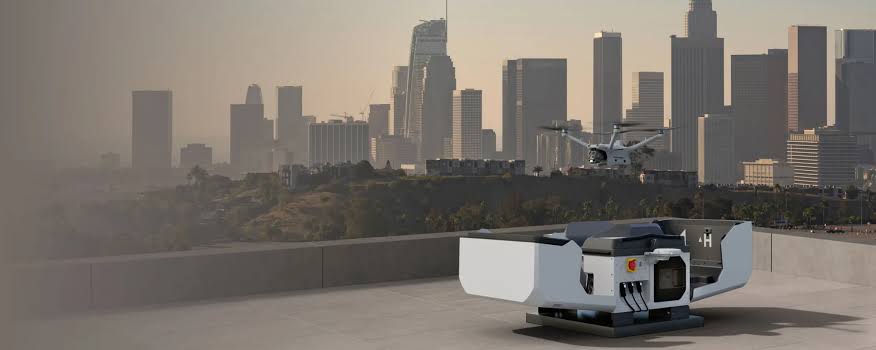
For property management organisations managing large commercial building portfolios across African cities, and for facilities management programmes on large single-site industrial installations—the DJI Dock 3 enables seasonal or event-triggered automated roof condition surveys. Post-storm thermal surveys identify new moisture ingress events immediately after major rainfall, enabling rapid targeted repair of the specific locations where storm events have caused membrane failure, before moisture infiltration progresses to internal damage that triggers the far higher cost of ceiling, insulation, and internal fixture replacement.
The most valuable outcome of drone thermal roof inspection is moisture detection—identifying where water has entered through the waterproofing system and is present within the roof build-up, above the structural deck. Moisture-saturated roof insulation holds heat from solar exposure through the day and releases it more slowly than dry insulation as the roof cools in the evening. A post-sunset thermal flight, typically 30 to 60 minutes after sunset when dry insulation has cooled but wet insulation remains elevated temperature—can produce a thermal map that highlights areas requiring further moisture investigation as warm zones against the cooler dry background.
For African commercial building owners and facilities managers whose buildings have experienced unexplained internal moisture damage, or whose roofs have reached the age where precautionary condition survey is warranted, the drone thermal moisture survey helps identify where targeted follow-up inspection and repairs may be required, eliminating the cost of blanket roof replacement where only specific sections require intervention.
Compare DJI enterprise drone platforms, payloads and software for commercial roof inspection, large industrial roof surveys and automated portfolio monitoring.
| Roof Type | Platform | Payload | Key Output |
|---|---|---|---|
| Commercial flat roof |
DJI Matrice 30T
|
Integrated thermal and zoom camera | Roof-condition map and moisture-zone identification |
| Large industrial roof |
DJI Matrice 400
|
Zenmuse H30T | Full roof coverage with detailed zoom and thermal inspection data |
| Portfolio monitoring |
DJI Dock 3 with DJI Matrice 4D / 4TD
|
DJI FlightHub 2 | Scheduled seasonal roof-condition checks and repeatable automated monitoring |
DJI enterprise drones inspect roof surfaces using high-resolution visual, zoom and thermal cameras. A planned flight can document membranes, seams, flashings, drainage points, roof penetrations, fasteners, skylights and other visible components without requiring inspectors to walk across the entire roof. The collected imagery helps qualified professionals identify and record visible damage, blocked drainage, surface deterioration and temperature anomalies that may require further investigation.
Thermal imaging can help identify temperature differences associated with retained moisture, insulation defects and possible water ingress within a roof system. The best survey time depends on the roof material, weather conditions, recent rainfall and the heating-and-cooling cycle of the building. Thermal anomalies are screening indicators and should be verified by qualified roofing professionals using appropriate moisture-testing or physical inspection methods.
Drone inspection can replace much of the initial visual and thermal surveying required for routine roof-condition assessments. It reduces work-at-height exposure, speeds up coverage of large roofs and creates a detailed digital record. Manual access may still be required to confirm a defect, test moisture levels, inspect concealed components, take samples or complete repairs. Drone data helps teams target those follow-up activities more efficiently.

Fill in your details below and our team will get back to you
with a personalised quote.