
Africa's geography creates a logistics paradox: populations need essential goods delivered, yet transport infrastructure cannot always reach them reliably. This challenge affects communities at the end of wet-season roads, island settlements accessible only by boat, highland clinics dependent on long courier journeys, remote mining camps waiting for urgent spare parts and humanitarian teams responding after floods or cyclones.
In many of these situations, a direct air route remains available even when roads, bridges or waterways are disrupted. DJI FlyCart cargo drones supplied and supported by Aerosmart can transport medical supplies, agricultural inputs, industrial components and emergency provisions to suitable delivery points, subject to mission planning and local aviation requirements.
Africa is well positioned to benefit from aerial cargo delivery because transport alternatives are often most expensive and least reliable in remote or infrastructure-constrained locations. Cargo drones can reduce travel time, avoid difficult terrain and support faster access to critical supplies.
A medical courier may spend several hours travelling between rural clinics and a central laboratory. A mining operator may rely on an expensive charter flight for an urgent replacement component. A humanitarian organisation may need to reach communities before damaged roads are restored. In each case, a properly planned cargo drone mission can provide a practical additional logistics option.
The strongest use cases are those in which conventional transport is slow, unreliable, hazardous or disproportionately expensive.
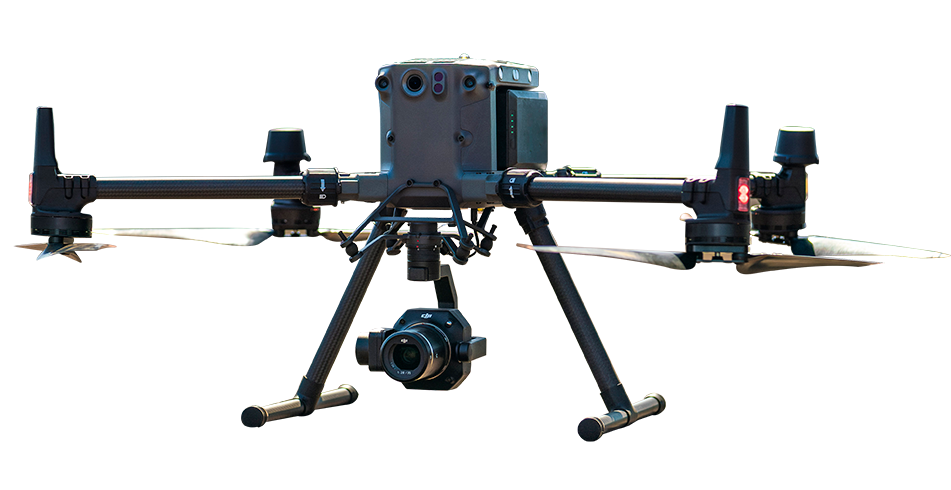
The DJI FlyCart 30 can carry up to 30 kg of cargo across a maximum distance of 16 km in dual-battery mode. For shorter-range missions, it can carry up to 40 kg in single-battery mode. Cargo mode supports delivery to suitable landing points, while winch mode enables controlled lowering of supplies where landing is unsafe or impractical.
Actual payload, range and operating performance depend on battery configuration, altitude, temperature, wind, cargo dimensions, route profile, safety reserves and local aviation regulations.
The DJI FlyCart 100 extends heavy-lift aerial delivery capability with payload support of up to 85 kg in dual-battery mode and up to 100 kg in single-battery mode. It is intended for loads that may otherwise require specialist vehicles, difficult ground-access operations or more costly aviation support.
The platform combines a heavy-duty winch system, dual payload capability, coaxial dual-rotor propulsion, LiDAR, millimetre-wave-radar obstacle sensing and an integrated parachute safety system. These features support controlled delivery in complex operating environments.
The FlyCart 100 can transport mechanical components, bulk medical equipment, emergency power supplies and other heavy loads that exceed the practical capacity of lighter delivery drones.
Each heavy-lift mission should include a detailed risk assessment, approved operating plan and suitable cargo-securing procedure.
Cargo Mode: The aircraft transports cargo to a suitable delivery location, lands, unloads and returns. This mode is appropriate where the aircraft can safely take off and land.
Winch Mode: The aircraft hovers above the delivery point and lowers the cargo using a controlled cable system. This mode is suitable for vessel decks, rooftops, confined delivery zones and locations where landing is unsafe or impractical.
Compare common ground-transport challenges with aerial cargo solutions for remote communities, mining operations, agricultural sites and disaster-response missions across Africa.
| Ground Route Problem | Aerial Cargo Solution | Example Context |
|---|---|---|
| Wet-season road closures | Direct aerial delivery without depending on road conditions | Highland communities during the rainy season |
| Water crossing with no bridge | Suitable water routes can be crossed without a bridge or ferry | Remote lake and river communities |
| High charter cost for remote sites | FlyCart delivery can reduce dependence on costly chartered transport | Remote mining and industrial sites |
| Roads damaged by floods or cyclones | Delivery can begin before damaged roads are fully restored | Post-disaster response operations |
| Difficult terrain with no established track | The aircraft can avoid the need for a ground track | Remote highland farms and work sites |
A cargo drone is an unmanned aircraft designed to transport and deliver physical loads between suitable locations. Depending on the mission, cargo may be delivered at a suitable landing point or lowered using a winch system where landing is not practical.
The DJI FlyCart 30 can carry up to 30 kg in dual-battery mode and up to 40 kg in single-battery mode. The DJI FlyCart 100 can carry up to 85 kg in dual-battery mode and up to 100 kg in single-battery mode. Actual performance depends on operating conditions and mission requirements.
Yes. Cargo drones can support the delivery of blood products, vaccines, medicines, diagnostic equipment and other essential healthcare supplies. Medical delivery operations must follow applicable aviation, packaging, temperature-control and chain-of-custody requirements.
Cargo-drone operations are subject to the aviation rules, import requirements, flight permissions and operator approvals of each country. Requirements may depend on aircraft weight, payload, route, altitude, operating area and whether the mission is conducted within or beyond visual line of sight.
The DJI FlyCart 30 is suited to medium-payload delivery missions such as medical supplies, agricultural inputs and light equipment resupply. The DJI FlyCart 100 supports heavier cargo and is better suited to industrial logistics, offshore resupply and other high-payload operations.

Fill in your details below and our team will get back to you
with a personalised quote.