
Long-Endurance Drone Platform With Power-Line-Level Obstacle Sensing
Engineered for Excellence, Designed for Versatility
FPC1 Fixed Drone Detection System Available Across Africa from Aerosmart Africa
Advanced Logistics Infrastructure Backed by Seamless Inventory Management
Established Channel Partnerships Across 30+ African Countries
Strategic Warehousing Across Key African Markets
Comprehensive Pre-Sales Consultation & Solution Engineering
The FPC1 is a fixed-installation drone detection sensor built for facilities that require continuous, permanent, unattended airspace monitoring the critical national infrastructure, industrial installations, and secure facilities where drone incursion risk is a permanent operational condition rather than an event-specific concern.
Continuous monitoring is the FPC1's operational premise. Unlike systems that depend on an operator activating detection when a threat is suspected, the FPC1 monitors the protected airspace at all times, generating alerts automatically when unauthorised drone activity is detected during staffed security hours, during night shifts, during weekends, and during the unattended periods when automated alerting is the only mechanism through which an incursion would be identified.
Aerosmart supplies the FPC1 across African markets with site survey consultation, installation design support, and the regulatory guidance that permanent electronic detection installations require in each destination country.
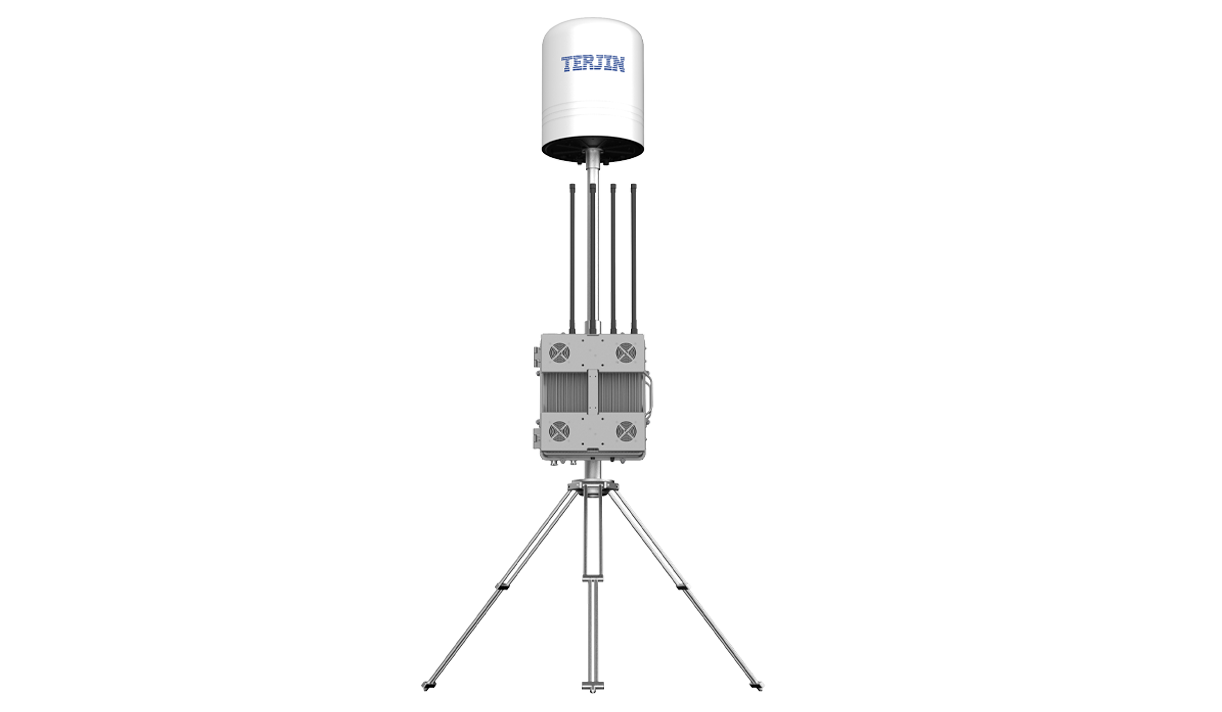
Detection method, installation, and continuous operation capability at a glance.
The security value of continuous monitoring lies precisely in the periods when nobody is watching. Incursions do not schedule themselves around staffed security hours. The reconnaissance drone that maps a facility's security infrastructure flies at 03:00 on a Sunday because that is when the probability of observation is lowest.
The FPC1 removes that window. Installed permanently at the protected facility, it monitors continuously and alerts automatically meaning the 03:00 Sunday incursion generates the same alert response as one occurring during peak operational hours. The detection capability does not depend on an operator's attention, shift pattern, or awareness that a threat is present.
For African critical infrastructure operators power generation facilities, desalination plants, telecommunications infrastructure, data centres, and the oil and gas installations across Nigeria, Angola, Mozambique, and Ghana the FPC1's permanent installation model matches the permanent nature of the risk these facilities carry.
The FPC1 classifies detections rather than simply registering that something is present. Drone type identification, flight behaviour characterisation, and track history over time produce an intelligence picture rather than a binary alarm.
For event security specifically, the operational value is often preventive rather than reactive. A detected drone approaching a venue perimeter during the pre-event period, before crowds arrive, allows the security team to locate and engage the operator before the protected activity begins resolving the incursion without disruption to the event itself.That distinction determines response quality. A security operations centre receiving an alert that a specific consumer quadcopter has entered the perimeter at low altitude on a direct approach vector responds differently than one receiving an undifferentiated "aerial object detected" alarm. Response proportionality requires threat characterisation, and threat characterisation requires classification capability.
Continuous detection logging produces the historical record that pattern analysis depends on. Repeated incursions following consistent timing, approach vectors, and flight patterns build the intelligence picture that converts individual alerts into an understanding of the threat the facility actually faces.
Single-sensor coverage suits compact facilities with defined perimeters.
Large installations, refineries, port complexes, airports, and extended industrial sites require multiple sensors positioned to provide overlapping coverage across the full protected area.
The FPC1 supports networked multi-sensor deployment, with individual units contributing to a unified detection picture rather than operating as isolated alarms.
This provides coordinated monitoring across larger and more complex protected environments.
Track continuity is maintained as a detected drone moves between individual sensor coverage zones.
This produces a coherent flight-path record across the full facility rather than fragmented detections from separate sensors.



Why Security Operators Choose aerosmart for the FPC1
Manufacturer warranty and complete documentation on every installation. No grey-market counter-UAS equipment.
Direct shipping with export documentation and import guidance for counter-UAS equipment across African destination markets.
Country-specific written guidance on the telecommunications, aviation, and national security regulatory framework governing permanent electronic detection installation.
Coverage modelling, sensor positioning design, and multi-sensor network architecture planning for your facility geometry and threat profile.
Remote health monitoring guidance, maintenance scheduling, and technical support throughout the installation's operational life.
Detection interpretation, alert response procedure development, and security operations centre integration training.
Advice on combining FPC1 fixed sensing with passive RF, video, and GNSS-integrity detection for layered facility protection.
The FPC1 is available from aerosmart with delivery across 14+ African countries.
Contact our team for site survey, installation design, and pricing.
The FPC1 is a fixed-installation drone detection sensor providing continuous unattended airspace monitoring at facilities requiring permanent protection, including critical infrastructure, industrial installations, airports, and secure government sites.
Yes. The FPC1 monitors continuously and generates automated alerts to the security operations centre without requiring an operator to activate or monitor the system.
This provides protection during unattended periods when incursion probability is highest.
Yes. Multi-sensor networked deployment provides overlapping coverage across large facilities, with track continuity maintained as detected drones move between individual sensor zones.
Yes. The system classifies detections by drone type and characterises flight behaviour, producing an intelligence picture that supports proportionate security response rather than an undifferentiated alarm.
Yes. The FPC1 supports integration with security operations centre infrastructure and video management systems, contributing to unified facility security awareness.
Electronic detection equipment operates under regulatory frameworks that vary by country.
aerosmart provides written regulatory guidance for each destination market with every installation.
Pricing varies by facility coverage requirement and sensor count.
Contact aerosmart at Sales@aerosmartglobal.com for a site-specific quote.

Fill in your details below and our team will get back to you
with a personalized quote.