
Long-Endurance Drone Platform With Power-Line-Level Obstacle Sensing
Engineered for Excellence, Designed for Versatility
FS1 GNSS Spoofing Detection System Available Across Africa from Aerosmart Africa
Advanced Logistics Infrastructure Backed by Seamless Inventory Management
Established Channel Partnerships Across 30+ African Countries
Strategic Warehousing Across Key African Markets
Comprehensive Pre-Sales Consultation & Solution Engineering
The FS1 detects GNSS spoofing the deliberate broadcast of counterfeit satellite navigation signals designed to deceive GPS receivers into computing false positions. It is the most technically sophisticated attack vector in the counter-UAS threat landscape, and the one that defeats the safety mechanisms most facilities rely on without those facilities ever knowing it occurred.
Geofencing depends entirely on the drone knowing where it is. A drone that has accepted spoofed GPS signals believes it is somewhere it is not meaning the geofence around an airport, a government facility, or a secure installation is simply not engaged, because as far as the aircraft's navigation system is concerned, it is nowhere near the restricted zone. The protection mechanism does not fail; it never activates.
The FS1 monitors GNSS signal integrity within the protected area and identifies spoofing attempts in real time. It does not detect the drone. It detects the electronic attack being conducted against the navigation environment the drone operates within a fundamentally different and complementary detection capability to every other system in the counter-UAS architecture.
Aerosmart supplies the FS1 across African markets with integration consultation and regulatory guidance for GNSS monitoring deployment.
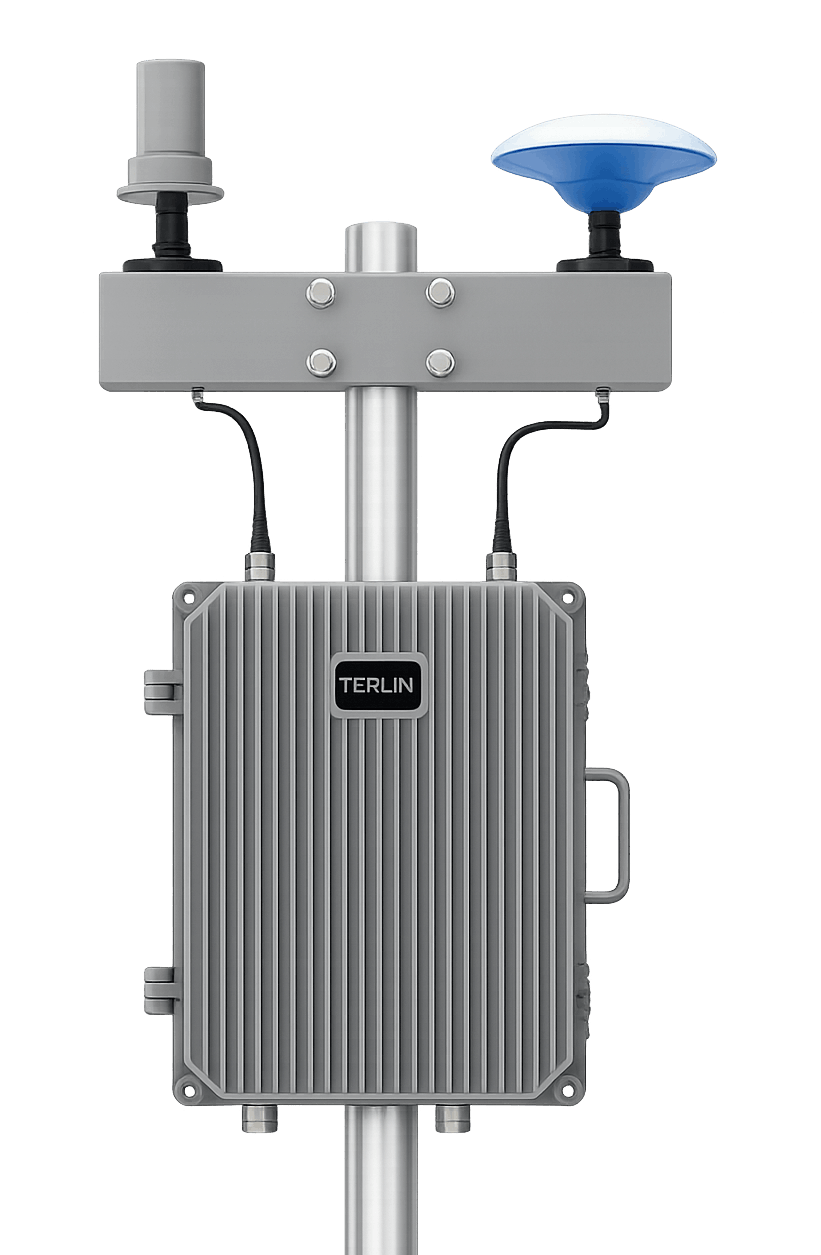
Detection capability, monitoring scope, and integration at a glance.
Every major commercial drone platform enforces geofencing software-defined no-fly zones around airports, government facilities, and sensitive infrastructure that the aircraft refuses to enter. The mechanism works because the aircraft knows its position from GNSS and compares that position against the geofence database.
GNSS spoofing attacks that comparison at its foundation. A spoofing transmitter broadcasts counterfeit satellite signals stronger than the genuine signals reaching the receiver. The drone's navigation system, unable to distinguish authentic from counterfeit, computes a position based on the false signals and the geofence, referenced against a position that bears no relationship to where the aircraft physically is, does not engage.
The attack is sophisticated but not exotic. The equipment required is commercially available. The technique is documented. And critically, it leaves no trace detectable by conventional counter-UAS systems an RF detection system sees a normal drone control link, a video system sees a drone flying, and neither indicates that the aircraft's navigation environment is being electronically manipulated.
The FS1 monitors the GNSS signal environment within the protected facility continuously, analysing received satellite signals for the characteristics that distinguish authentic broadcasts from counterfeit ones. When spoofing activity is detected, the system generates a real-time alert informing the security operations centre that the navigation environment within the protected area is under active electronic attack.
That alert has operational significance beyond drone detection. GNSS spoofing affects every GNSS receiver within its coverage area not only drones but survey equipment, vehicle navigation, timing systems, and any infrastructure that depends on GNSS-derived time or position. For facilities where GNSS timing supports critical systems, spoofing detection is an infrastructure protection capability as much as a counter-UAS one.
Forensic output characterising the spoofing source supports investigation, pattern analysis, and where the attack is repeated, the intelligence picture that identifies its origin and purpose.
Counter-UAS doctrine recommends layered detection because no single modality covers every scenario.
The FS1's role within that architecture is specific and non-substitutable.
Passive RF (PC2 Pro) detects controller-linked drones. It does not detect spoofing.
Video (VDC2 Pro) detects visible drones, including autonomous ones. It does not detect spoofing.
Fixed sensors (FPC1) provide continuous facility monitoring. They do not detect spoofing.
FS1 detects the electronic attack against the navigation environment. No other layer does.
For airports, government installations, and critical infrastructure where a sophisticated adversary is a credible threat model, the FS1 covers the attack vector that a well-resourced operator would select precisely because it defeats the other layers.




Why Security Operators Choose aerosmart for the FS1
Manufacturer warranty and complete documentation on every system. No grey-market counter-UAS equipment.
Direct shipping with export documentation and import guidance across African destination markets.
Country-specific guidance on the telecommunications and national security regulatory framework governing GNSS monitoring equipment deployment.
Assessment of whether spoofing represents a credible threat vector for your facility and threat model, and how the FS1 fits your existing protection architecture.
Technical support, detection tuning guidance, and system health monitoring throughout the installation's operational life.
Spoofing alert interpretation, response procedure development, and forensic data handling training for security operations teams.
Complete counter-UAS architecture design combining FS1 GNSS integrity monitoring with passive RF, video, and fixed-sensor detection layers.
The FS1 is available from aerosmart with delivery across 14+ African countries.
Contact our team for threat assessment consultation and pricing.
GNSS spoofing is the deliberate broadcast of counterfeit satellite navigation signals designed to deceive GPS receivers into computing false positions.
It is used to defeat drone geofencing, corrupt navigation, and manipulate any system that depends on GNSS position or timing.
Geofencing depends on the drone knowing its true position. A spoofed drone believes it is somewhere it is not, so the geofence protecting an airport or secure facility never engages.
The protection mechanism does not fail; it never activates.
No. The FS1 detects the electronic attack against the GNSS environment, not the aircraft.
It is a complementary layer that operates alongside RF and video detection systems, covering the attack vector those systems cannot see.
GPS, GLONASS, BeiDou, and Galileo—the four primary global navigation constellations that commercial drone platforms and infrastructure systems rely on.
Yes. Spoofing affects every GNSS receiver within its coverage, including survey equipment, vehicle navigation, and the timing systems that telecommunications, financial, and power infrastructure depend on.
FS1 monitoring is an infrastructure-protection capability as well as a counter-UAS one.
GNSS monitoring equipment operates under telecommunications and national security regulatory frameworks that vary by country.
aerosmart provides written regulatory guidance for each destination market with every purchase.
Pricing varies by facility coverage requirement.
Contact aerosmart at Sales@aerosmartglobal.com for a site-specific quote.

Fill in your details below and our team will get back to you
with a personalized quote.